01
Voice-to-action robotics
Trinity hears intent in the room, acknowledges immediately, then drives tools: kiosks, terminals, Mosaic deploys, model calls, cameras, dashboards, and future robot arms.
A small project imagining Trinity as the room-aware AI that turns voice, displays, robots, terminals, and deployments into one calm operational surface.
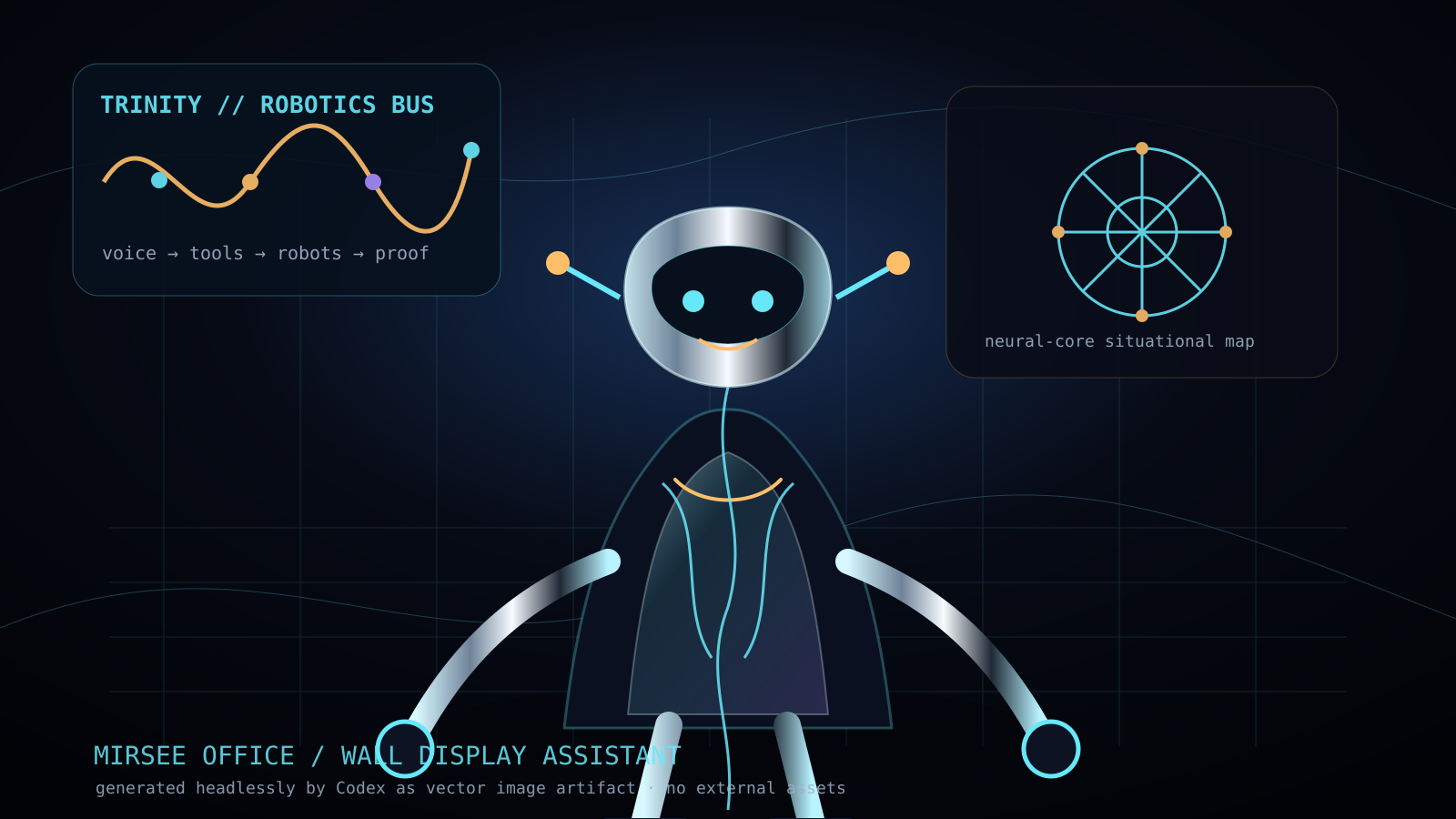
Trinity hears intent in the room, acknowledges immediately, then drives tools: kiosks, terminals, Mosaic deploys, model calls, cameras, dashboards, and future robot arms.
The wall is not a chat window. It is a shared nervous system: rail updates, ambient widgets, live terminals, websites, and visual proof when a job finishes.
Trinity should be precise, honest, and quietly useful: build it, test it, say what really happened, and leave artifacts where Jody can inspect them later.
Sense: microphone transcript, wall display state, live dashboards, project files, deployment APIs, optional cameras and robot telemetry.
Reason: Hermes orchestrates skills, model routing, tools, memories, and verification. Heavy models can be escalated only when they add value.
Act: Trinity posts rail acks, opens panels, mirrors terminals, generates media, deploys Mosaic sites, and can later hand off commands to physical robots.
Prove: every meaningful claim is backed by a real artifact: screenshots, logs, health checks, deploy status, or local play-tests.